
Honest Advice Before You Choose Foam
Spray Foam Insulation in Nassau & Suffolk
Spray foam is a good product in a few specific spots, and we install it when it's the right fit. For most attics and walls, there's a better-value choice. Here's how to tell the difference.
What Is Spray Foam Insulation?
Spray foam expands as it's sprayed, so it seals air leaks as it insulates. Closed-cell foam also slows water vapor. Open-cell foam doesn't. Like any insulation, it slows heat rather than blocking it. It performs well in the right place, but it isn't the best choice for every home.
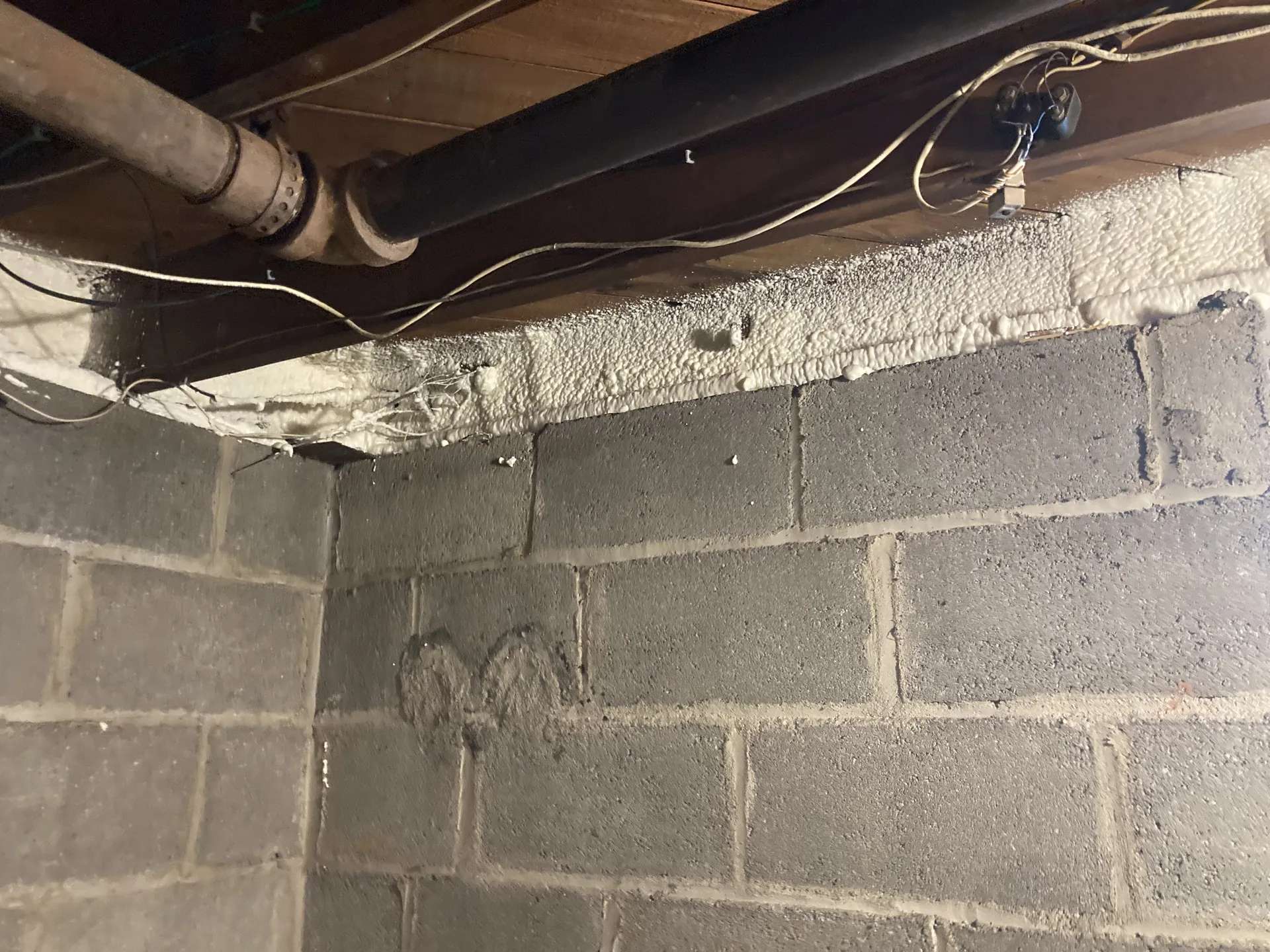
Spray foam comes in two types, closed-cell and open-cell. It seals air leaks well. But it costs much more than cellulose or fiberglass and isn't the best value for most attics and walls. It earns its cost in specific spots: rim joists, shallow sloped ceilings and roofs where there's no room for anything thicker.
You might own a colonial in Huntington, a ranch in Islip, a cape in Babylon or a Victorian in Smithtown. In any Suffolk or Nassau County home, the right answer depends on where the insulation is going and what's there now. Joe will tell you honestly whether foam is worth it for your house. We proudly serve Smithtown, Commack, Hauppauge, Stony Brook, and all surrounding communities.
Do You Really Need Spray Foam?
A lot of people call us asking for spray foam because they've heard it's the best. Sometimes it is the right product, in tight spots like a rim joist, or where there's no room for anything thicker. When it is, we install it. But for most Long Island attics and walls, dense-pack or blown-in cellulose does the job well and costs a lot less. It also doesn't come with spray foam's strict mixing and re-entry rules.
Joe will look at your home and tell you honestly what makes sense, even if it's not what you called about. Customers notice: one wrote that Joe “did not oversell and provided exactly what was needed at a reasonable cost.”
Long Island's Climate: Where Foam Helps
Long Island has cold winters and humid summers. Most of the problems below come from air leaks and thin insulation. Spray foam fixes them well in some spots. In others, air sealing and cellulose do it for less.
Winter Challenges
- •Ice dam formation from heat escaping through attics
- •Frozen pipes in uninsulated rim joists and exterior walls
- •Cold spots and drafts from air infiltration
- •High heating costs during extended cold periods
Summer Challenges
- •High humidity creating mold and mildew conditions
- •Overworked AC systems struggling with air infiltration
- •Solar heat gain through hot summer attics
Installed in the right place, spray foam can cut drafts and improve comfort. For most open attic floors, air sealing plus blown-in cellulose handles the same problems for less.
Closed-Cell vs Open-Cell Spray Foam
| Feature | Closed-Cell | Open-Cell |
|---|---|---|
| R-Value per inch | R-6 to R-7 | R-3.5 to R-4 |
| Density | 2.0 lbs/cubic ft | 0.5 lbs/cubic ft |
| Slows water vapor | Yes, at enough thickness | Much less |
| Air Barrier | Yes | Yes |
| Feel | Stiff and rigid | Soft and spongy |
| Sound absorption | Poor (rigid) | Absorbs some sound |
| Cost | Higher | Lower |
| Best For | Rim joists, basement and crawl space walls, shallow roofs | Underside of the roof in an unvented attic, open walls |
Benefits of Spray Foam Insulation
High R-Value per Inch
Closed-cell foam fits more R-value into a shallow space, like a rim joist or a sloped ceiling.
Air Sealing
Seals the gaps it's sprayed over, so it cuts drafts where it's used.
Moisture Control
Closed-cell foam slows water vapor, which reduces the moisture that leads to mold. It doesn't fix leaks.
Durable
Stays in place and doesn't settle once it's cured.
Sound
Open-cell foam absorbs some sound inside a cavity. Closed-cell is rigid and does little. For noise between rooms, mass and decoupling matter more.
Only Where It's Needed
We use foam in the spots that need it and tell you when cellulose would do the job for less.
Where Spray Foam Makes Sense
Rim Joists
Shallow Sloped Ceilings
Unvented Attic Roofs
Basement Walls
Crawl Space Walls
Commercial Buildings
Durability and Long-Term Performance
Spray foam doesn't settle once it's installed. But properly installed cellulose and fiberglass also last for decades. So durability alone isn't a reason to pay much more for foam.
Spray Foam Advantages
- •Doesn't settle once cured
- •Slows water vapor, which reduces the moisture that leads to mold
The upfront cost is much higher than other materials, so it only pays off where its air sealing is really needed.
Our Spray Foam Installation Process
Spray foam is a chemical product mixed on site, so the installer matters. When foam is the right fit for your home, here's how we do the job.
Free Estimate and Diagnosis
1-2 hoursJoe looks at your home, measures, and tells you whether spray foam or another material is the better fit. Often it's cellulose.
Surface Preparation
2-4 hoursGood preparation helps the foam stick and perform well. We protect nearby areas with plastic sheeting, mask off fixtures and vents, and clean surfaces. We also deal with any moisture problems before spraying begins.
Professional Application
4-8 hours (varies by project size)We apply foam in multiple passes to achieve the proper thickness and R-value, with no gaps or voids.
Curing & Ventilation
Per the manufacturer’s written instructionsWe make sure there is proper ventilation during curing and check that all areas are properly sealed. Occupants and pets should stay away during application and cleanup. Safe return depends on the product and site conditions. Follow the installer’s written plan based on the manufacturer’s guidance for curing, ventilation, cleanup and re-entry.
Quality Inspection
1-2 hoursWe inspect all work to make sure the thickness, coverage and performance meet the standard.
Cleanup & Final Walkthrough
1-2 hoursWe clean up all work areas, remove the protective coverings and do a final walkthrough. We'll explain care and maintenance (there's very little) and answer any other questions.
Total Project Timeline
Most home spray foam projects take 1-2 days from start to finish. Larger homes or complex jobs may take 2-3 days. We'll give you a detailed timeline at your free estimate. We work efficiently to keep the disruption to your daily routine low.
Spray Foam Safety: Separating Facts from Fiction
You may have heard concerns about spray foam insulation. Here are honest, factual answers to the most common questions.
Is Spray Foam Safe for My Home?
Installed correctly and fully cured, spray foam is considered safe for homes. Occupants and pets should stay away during application and cleanup. Safe return depends on the product and site conditions. Before work begins, follow an installer’s written plan based on the manufacturer’s guidance for curing, ventilation, cleanup and re-entry. See the EPA contractor checklist. The exposure risk is during spraying and curing, from the isocyanates in the foam. OSHA explains the hazard. The key is a careful installer who follows the manufacturer's instructions for that product.
What to ask an installer:
- Which product will you use, and what are its re-entry instructions?
- Can I see the product's safety data sheet?
- How will you ventilate during and after spraying?
- What protective gear will your crew wear?
- Occupants and pets stay away during application and cleanup, then follow the manufacturer’s written re-entry instructions for the job
Will Spray Foam Affect My Mortgage or Home Sale?
This concern comes from a 2022 issue with UK lenders and surveyors. We aren't aware of a similar US lending rule, but if you're buying, selling or refinancing, ask your lender. A few things help either way:
- Ask your lender: lender policies vary, so check before you refinance or sell
- Know where it is: be ready to tell an inspector where foam was used and why
- Documentation helps: Keep the installer's paperwork showing the product and thickness
The Importance of Professional Installation
Spray foam is a high-performance product, and it takes skill to install correctly. Many of the problems you read about online trace back to installation: the mix, the temperature or the thickness.
Why Expertise Matters:
- • Precise mixing ratios are critical
- • Temperature control ensures proper curing
- • Correct thickness prevents overheating
- • Knowledge of building science is essential
The Paramount Approach:
- • We'll tell you if foam isn't the right fit
- • We often recommend dense-pack or blown-in cellulose instead
- • When foam really is the right fit, we install it
- • You talk to Joe, the owner, from the first call
Bottom line: Spray foam is a good product in the right spot. If your home doesn't need it, Joe will tell you, and he'll show you what will do the job for less.
What About Roof Ventilation?
This is a common question. The answer depends on your attic type and the installation method:
- Vented attics: Foam goes on the attic floor, leaving ventilation intact. Your attic remains vented and code-compliant.
- Unvented attics: Foam goes on the underside of the roof deck. That brings the attic inside the heated space. The residential code allows this when its conditions are met (RCNYS R806.5). Heat stays in the house instead of the attic, which helps with ice dams.
- Cathedral ceilings: Spray foam is often the practical choice where there's little depth and venting is difficult.
Joe will look at your attic and tell you which approach fits. He'll also tell you whether cellulose on the attic floor would do the job for less. Both methods work well when done correctly by experienced professionals.
Our Professional Promise
Our promise on spray foam is simple:
- Honest recommendations—we'll tell you if another insulation type is better
- A free estimate and diagnosis to see whether spray foam is right for your home
Frequently Asked Questions
Honest Insulation Advice Throughout Nassau and Suffolk
We help homeowners and businesses across Long Island choose the right insulation, whether that's foam or not.
Related Guides
- Deciding between the two? Read cellulose vs spray foam: when spray foam is worth it.
- Comparing foam with batts? See fiberglass vs spray foam insulation.
- Getting spray foam quotes? Read 8 questions to ask a spray foam contractor.
- For most attic floors and closed walls, see blown-in cellulose and fiberglass.
Not Sure You Need Spray Foam?
Contact Paramount Insulation today for honest advice and a free estimate and diagnosis.