
Professional Crawl Space Insulation Services
Crawl Space Insulation in Nassau & Suffolk
Seal out ground moisture and warm the floors above with a vapor barrier, encapsulation or insulation.
Why Crawl Space Insulation Matters for Long Island Homes
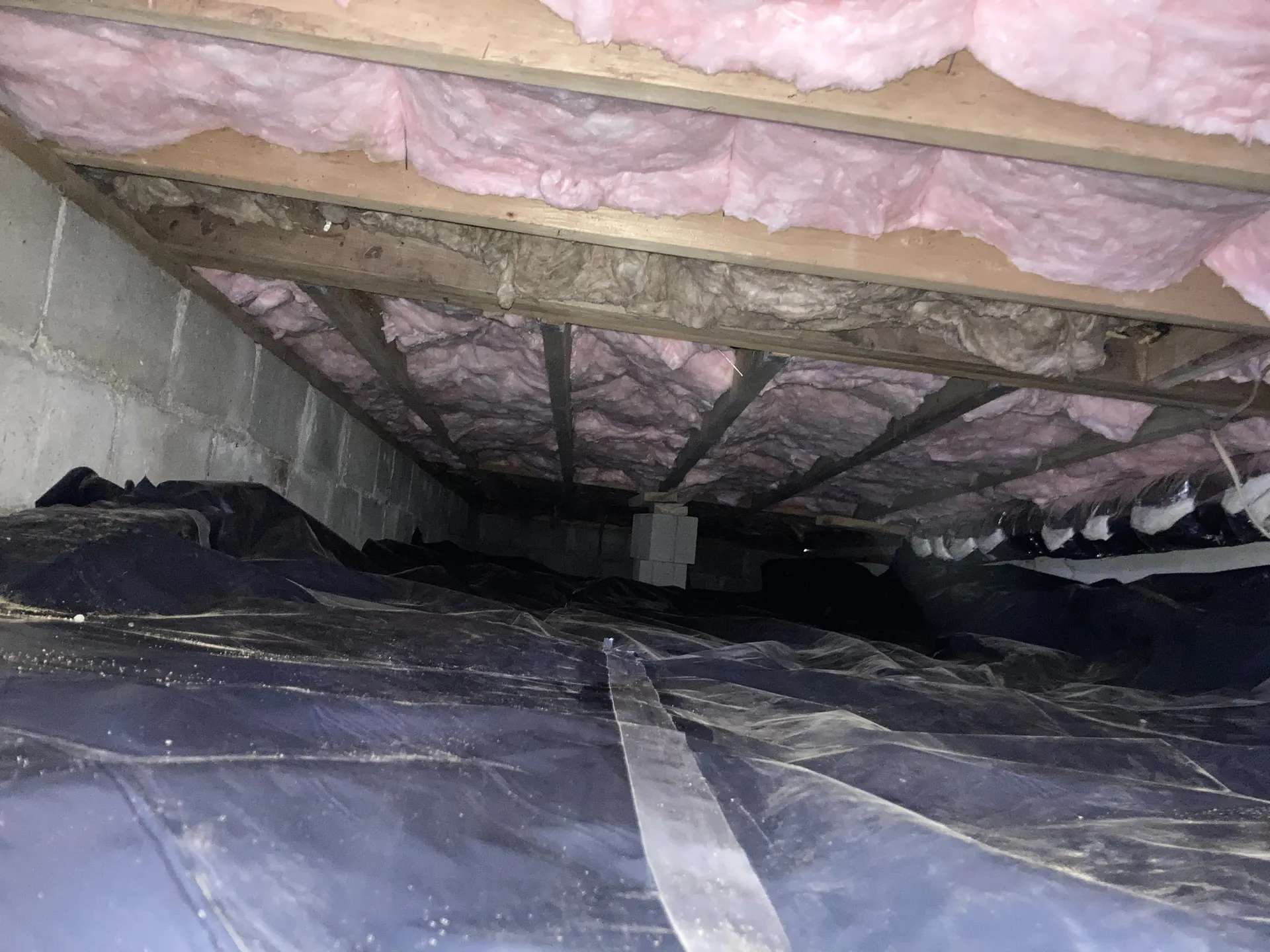
Crawl space insulation slows heat loss through your floors. Encapsulation seals the crawl space from ground moisture and outside air with a sealed vapor barrier. Many Long Island crawl spaces need both, in the right order, and standing water or leaks get fixed first. Joe checks the crawl space himself and tells you which parts he handles and which belong to another trade.
A sealed (unvented) crawl space needs a continuous ground vapor barrier, taped at the seams and run up the walls. It also needs a way to dry the air: a small exhaust fan, a conditioned air supply or a dehumidifier. That's what New York's residential code requires (RCNYS R408.3). Left damp, a crawl space can lead to rot in the floor framing, musty smells and pipes at risk of freezing.
Done in the right order, the work can warm the floors above, cut condensation and musty smells, and lower energy costs. Standing water, leaks and pests still need their own fixes. In a flood zone, the code requires flood openings in crawl space walls, so check that before any vents are sealed (RCNYS R408.7).
Common Crawl Space Problems on Long Island
Long Island's unique geography and climate create specific challenges for crawl spaces that require professional solutions:
💧Ground Moisture & Humidity
Long Island's sandy soil and nearness to water mean ground moisture easily evaporates into crawl spaces. That keeps the air damp even when there's no standing water. This moisture wicks up through foundation walls, condenses on cold surfaces, and can feed mold. Without a ground vapor barrier, some of that damp air rises into the house, which is where the musty smell comes from.
🥶Freezing Floors & Ice-Cold Rooms
In winter, cold air comes in through foundation vents (if you have them) and gaps at the rim joist. The result is cold floors, pipes at risk of freezing and a heating system that runs more. Sealing the air leaks helps a lot. So does insulating either the floor above (vented crawl space) or the crawl space walls (sealed crawl space). You insulate one or the other, not both.
🦟Pests & Rodents
Damp crawl spaces attract insects and mice, and they don't always stay in the crawl space. Encapsulation keeps the space drier and closes some of the gaps they use. Pest control itself is a separate job.
🪵Wood Rot & Structural Damage
High humidity and poor ventilation in Long Island crawl spaces are ideal for wood rot and decay. Floor joists, subfloors and sill plates can break down over years of exposure to moisture. This isn't just a comfort issue. It's structural. Fixing water problems and sealing the ground with a vapor barrier keep the wood drier. Insulation alone doesn't.
Crawl Space Solutions
Crawl Space Insulation
Traditional insulation methods for crawl spaces, including fiberglass batts and blown-in cellulose.
- Cost-effective solution
- Good thermal performance
- Suitable for dry crawl spaces
Crawl Space Encapsulation
Sealing the crawl space with a ground vapor barrier, closing the vents where that's allowed, and insulating the walls.
- Sealed ground cover and walls
- Fewer musty smells
- Walls insulated instead of the floor
Benefits of Crawl Space Insulation
Drier Crawl Space
A sealed ground vapor barrier keeps soil moisture out of the crawl space air.
Fewer Gaps
We seal the gaps we find along the way. Pest control itself is a separate job.
Energy Savings
Reduce heat loss through the floor and keep temperatures even throughout your home.
Fewer Musty Smells
Less damp crawl space air rising into the house.
Structural Protection
A drier crawl space helps protect floor joists and subflooring from rot.
Comfort Improvement
Warmer floors and fewer drafts in the rooms above.
What We Do During Crawl Space Insulation
Inspection & Assessment
Moisture Check
Look for water, damp soil, stains and rot
Structural Inspection
Examine floor joists, beams, and foundation
Vents
Check whether the crawl space is vented, and whether it's in a flood zone
Installation Process
Vapor Barrier Installation
Cover and seal the ground and walls to keep soil moisture out
Insulation Application
Insulate the floor above (vented crawl space) or the walls (sealed crawl space)
Ventilation Check
Tell you whether the existing vents should stay open or be sealed
Our Crawl Space Installation Process
Here's how a crawl space job goes. Water problems come first.
Detailed Crawl Space Inspection
We look for water, damp soil, existing mold or rot, pest activity and how the crawl space is vented. Using a thermal camera where it helps, we find cold spots and air leaks, and tell you what needs fixing first. We also look for plumbing leaks, foundation cracks and drainage problems, and tell you if one needs another trade first.
Timeline: 1-2 hours | Includes a thermal camera check
Debris Removal & Preparation
We clear the crawl space of debris, old insulation (if present), and any materials holding mold or pests. We seal entry points we find along the way. This gives a clean start for encapsulation and makes sure our vapor barrier sits properly on the ground.
Timeline: 3-6 hours depending on crawl space condition
Vapor Barrier Installation
We lay a continuous plastic ground cover (a Class I vapor retarder) across the crawl space floor and up the foundation walls. Seams overlap and are taped, and the edges are fastened and sealed to the walls and around posts and pipes. In a sealed crawl space, the code calls for at least a 6-inch overlap at the seams. It also calls for the cover to run 6 inches up the wall (RCNYS R408.3).
Timeline: 4-8 hours | Critical foundation for encapsulation
Insulation Application
In a sealed crawl space we insulate the foundation walls and rim joists with rigid foam, or closed-cell spray foam where it's the right fit. We also seal the air leaks. The vents are closed. The code then requires a way to dry the air: a small exhaust fan, a conditioned air supply or a dehumidifier (RCNYS R408.3). In a flood zone, the required flood openings stay (R408.7).
Timeline: 6-10 hours | Insulates a sealed crawl space
Dehumidifier (If Needed)
For crawl spaces that stay damp, a crawl space dehumidifier may be needed. We'll tell you if yours is one of them.
Timeline: 2-3 hours | Optional based on conditions
Final Inspection
We check that all work is complete, including the vapor barrier seams and edges and the insulation coverage. Then we document the project with photos.
Timeline: 1-2 hours
Project Timeline & Expectations
- •Duration: Usually 1-3 days depending on access
- •Access: The work happens in the crawl space and at its access point, so most of the house is unaffected
Frequently Asked Questions
Related Guides
- Not sure which you need? Read crawl space encapsulation vs insulation.
- Cape, ranch or high-ranch? See where Long Island houses lose heat.
- Musty smell or damp joists? Start with moisture, mold and insulation.
- Pipes running through a cold crawl space? See how to keep pipes from freezing.
- Drafts where the house meets the foundation? Read about sealing and insulating rim joists.
- Beach cottage over a vented crawl space? See insulating Fire Island homes.
- Island home on the East End? See insulating Shelter Island homes.
Fix a Cold or Damp Crawl Space
Joe checks for moisture first, then tells you whether you need a vapor barrier, encapsulation or insulation. Free estimate and diagnosis.