
Preserve Character, Improve Efficiency
Historic Home Insulation
Insulating older and historic Long Island homes while keeping the plaster, trim and character in place.
Insulation Challenges in Historic Homes
Many of Long Island's older homes were built before insulation was common. They often have plaster walls, empty or partly filled wall cavities and detailed trim, and a few have solid brick or stone walls, which can't be filled the way a framed wall can.
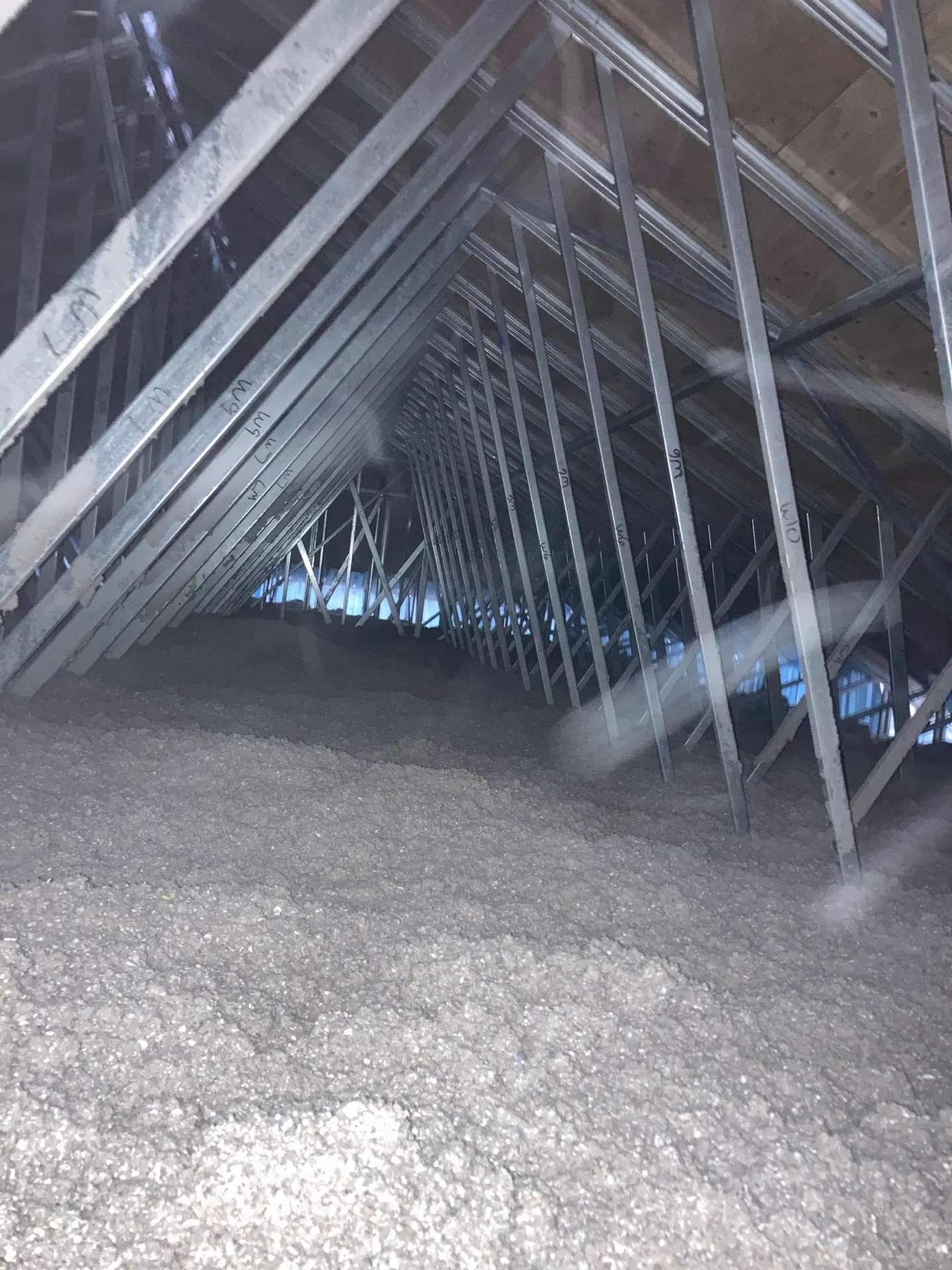
We dense-pack closed walls through small holes, insulate attics from above and seal air leaks, without taking down plaster or trim. Blown-in insulation isn't easy to take back out, so if your house is in a historic district or landmarked, check with your town's review board before work starts.
Historic Home Insulation Solutions
Attic Insulation
Blown-in cellulose or fiberglass that preserves attic character while improving efficiency.
Wall Retrofits
Dense-pack cellulose blown into closed wall cavities through small access holes.
Basement Solutions
Moisture control and insulation that protects historic foundations.
Radiant Barriers
Reflective foil under the roof can cut summer heat from a sunny roof. It adds no R-value, so it doesn't replace attic floor insulation.
Crawl Space
A sealed ground cover, plus insulation on the crawl space walls or the floor above.
Air Sealing
Careful sealing of gaps and cracks without damaging historic elements.
Working with Historic Preservation
Preservation Principles
- Keep original plaster and trim in place
- Check district rules before any exterior work
- Preserve architectural details
- Maintain historic integrity
Our Approach
- Joe looks in the attic and crawl space and measures
- Thermal camera to find the cold spots
- Dense-pack walls through small holes
- Period-appropriate solutions
Long Island Historic Homes
Common Historic Styles
- Victorian (1870s-1900)
- Queen Anne (1880s-1910)
- Colonial Revival (1890s-1930)
- Arts & Crafts (1900s-1930)
- Tudor Revival (1890s-1940)
Insulation Challenges
- Solid masonry walls
- Decorative plaster interiors
- Ornate architectural features
- Historic preservation restrictions
- Limited attic access
Historic Home Tax Programs
The federal historic rehabilitation credit is for income-producing buildings, not owner-occupied homes. New York has a separate credit for some historic homes, with its own location and approval rules. Check with the New York State Historic Preservation Office before you plan around either one.
Related Guides
- For more, read insulating a historic home without losing its character.
- Empty plaster walls? See dense-pack wall insulation.
Preserve Your Historic Home
Ask Joe what your older home needs, and what it doesn't. Free estimate and diagnosis across Nassau and Suffolk.